Contact Us
Feel free to keep in touch with us!
 010-020-0860
 info@company.com
 www.company.com
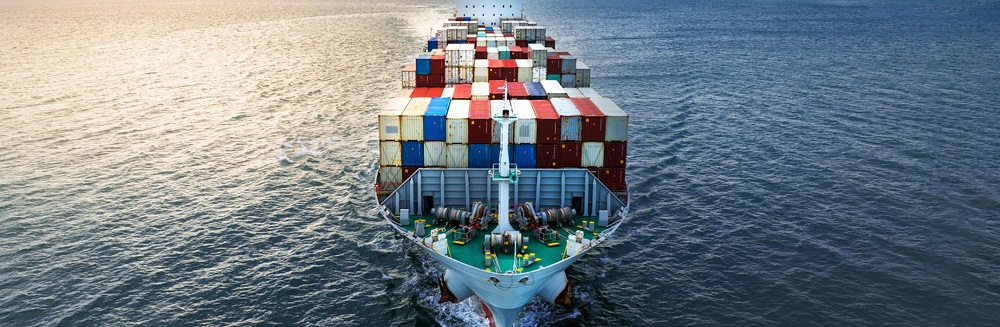
Marine insurance covers the physical loss or damage of ships, cargo, terminals, and any transport by which the property is transferred, acquired, or held between the points of origin and the final destination. Cargo insurance a sub-branch of marine insurance, though marine insurance also includes onshore and offshore exposed property, (container terminals, ports, oil platforms, pipelines), hull, marine casualty, and marine losses. When goods are transported by mail or courier or related post, shipping insurance is used instead.
A marine policy typically covered only three-quarter of the insured's liabilities towards third parties (Institute Time Clauses Hulls 1.10.83). The typical liabilities arise in respect of collision with another ship, known as "running down" (collision with a fixed object is an "allision"), and wreck removal (a wreck may serve to block a harbour, for example). In the 19th century, shipowners banded together in mutual underwriting clubs known as Protection and Indemnity Clubs (P&I), to insure the remaining one-quarter liability amongst themselves. These Clubs are still in existence today and have become the model for other specialized and noncommercial marine and non-marine mutuals, for example in relation to oil pollution and nuclear risks. Clubs work on the basis of agreeing to accept a shipowner as a member and levying an initial "call" (premium). With the fund accumulated, reinsurance will be purchased; however, if the loss experience is unfavourable one or more "supplementary calls" may be made. Clubs also typically try to build up reserves, but this puts them at odds with their mutual status. Because liability regimes vary throughout the world, insurers are usually careful to limit or exclude American Jones Act liability.
General average stands apart for marine insurance. In order for general average to be properly declared, 1) there must be an event which is beyond the shipowner's control, which imperils the entire adventure; 2) there must be a voluntary sacrifice, 3) there must be something saved. The voluntary sacrifice might be the jettison of certain cargo, the use of tugs, or salvors, or damage to the ship, be it, voluntary grounding, knowingly working the engines that will result in damages. General average requires all parties concerned in the maritime venture (hull/cargo/freight/bunkers) to contribute to make good the voluntary sacrifice. They share the expense in proportion to the 'value at risk" in the adventure. Particular average is the term applied to partial loss be it hull or cargo.
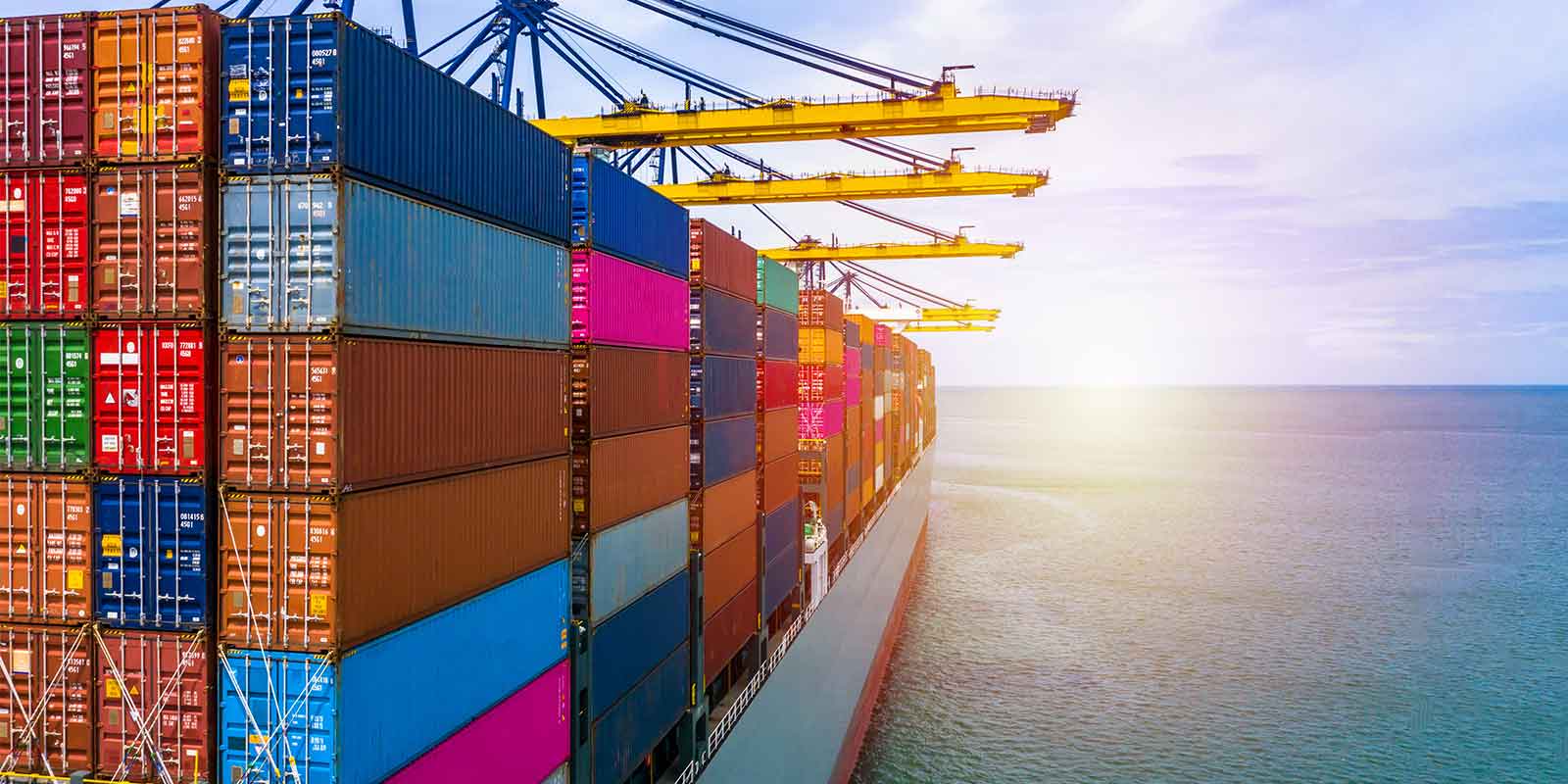
Average – is the situation in which the insured has under-insured, i.e., insured an item for less than it is worth. Average will apply to reduce the claim amount payable. An average adjuster is a marine claims specialist responsible for adjusting and providing the general average statement. An Average Adjuster in North America is a 'member of the association of Average Adjusters' To ensure the fairness of the adjustment a General Average adjuster is appointed by the shipowner and paid by the insurer.
Get Quote010-020-0860info@company.comwww.company.com